

Can Samsung take back the Indian smartphone market from Xiaomi?
Information technology has finally happened: Xiaomi has managed to make it to the top of the Indian smartphone market, according to the latest data revealed past IDC. Samsung and Xiaomi are currently tied for 23.five per centum share each of the Indian smartphone market, and if the Chinese OEM keeps upwardly, it may soon zoom by Samsung to get the height Indian smartphone manufacturer. How did this happen? How, in such a brusk time, did a small Chinese visitor that more often than not just deals in the budget and mid-range segments have over Samsung, which has been a player in India far longer?
Well, the primary reason for Xiaomi's success has been its value-for-money budget smartphones (similar the Redmi 4 and Redmi Note 4). A bulk of smartphone sales in Bharat happen in the affordable segment, and Xiaomi has continued to offer specs from most thrice more expensive Milky way devices at clay inexpensive prices. Information technology has dealt mostly in the sub-Rs. 12,000 (or around $190) office of the Indian marketplace, where Samsung has traditionally failed to offer smartphones with impressive features (other than an AMOLED display from time to time).
What makes Xiaomi'southward achievements specially impressive is that it has managed to catch up to the Korean giant without selling phones offline and through a flash sales model that see these phones become on auction just on specific dates. Xiaomi has kicked off sales in retail stores in contempo months and has also gotten around the flash sale model by selling devices on its official website, and these moves accept no incertitude offered the final push that Xiaomi needed to level with Samsung.
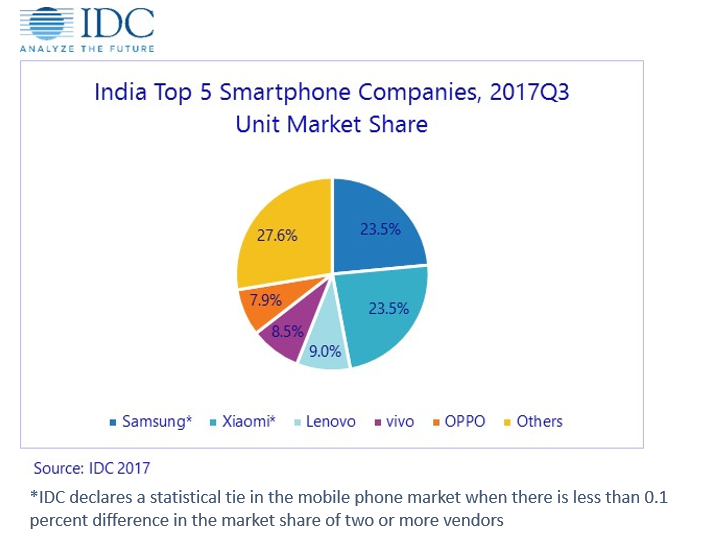
Can Samsung do anything to ensure that it can take the fight to Xiaomi and win dorsum the market share information technology has steadily lost in India in the concluding couple of years? More importantly, can information technology practise something to directly counter Xiaomi'south pop sub-$200 devices, which accept driven the company'due south market share from a niche to nearly 25 percent of the pie?
Well, nosotros aren't experts, but in that location are a few steps we call back Samsung can have to course right its refuse in the world's 2d most of import smartphone marketplace.
A sub-brand for selling more value-packed phones
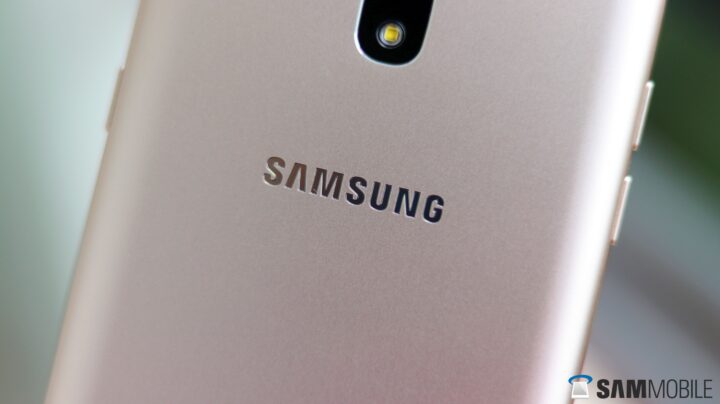
We have already talked nigh how a sub-make could help Samsung offer more than value-for-coin devices while keeping its mainstream Galaxy lineup carve up. Huawei has managed to capture the interest of consumers in China and Republic of india with its Honor sub-brand, and Samsung could benefit from a like sub-brand for these markets. Information technology would still be impossible to sell devices with good specs at Xiaomi'due south prices, as the Chinese OEM operates on razor-thin profits in the initial months.
Once component prices go down, Xiaomi starts earning a little more profit on each device auction as the reduction in component prices isn't accompanied by a (notable) drop in a telephone's original cost. Xiaomi too saves on marketing costs, opting to let word-of-mouth and social media handle the brunt. And no, Xiaomi's customer support isn't besides lacking, either. In fact, information technology has managed to do quite well in that field, even if it didn't start out with the same quality of support.
Xiaomi's strategy is not something Samsung tin can truly prefer, but it tinspin off more sensibly priced phones under a different brand so it tin can attract more consumers without hitting the marketplace value of its vast Milky way-branded lineup of devices. The technicalities of such a strategy would exist complex for a giant corporation like Samsung, but it certainly seems 1 of the clearest strategies to us if the Korean manufacturer intends to kindle consumer interest in India.
Optimize its software
Other than the high price compared to competing devices from Xiaomi and other Chinese OEMs, Samsung's poorly optimized software is a key reason for why its smartphones no longer concenter the same attending. Choice upwardly a Xiaomi phone, and yous'd be surprised by how smoothen and quick it is, even one that has been in use for some time. Granted, Xiaomi does take more powerful chipsets inside these devices, only allow's be honest: Fifty-fifty high-end chipsets are unable to continue Samsung's Android software running smoothly after a few months (and even a few weeks in some cases). It's non similar Xiaomi doesn't offer a slew of additional features like its Korean competitor; in fact, MIUI is among the most customized Android skins out there.
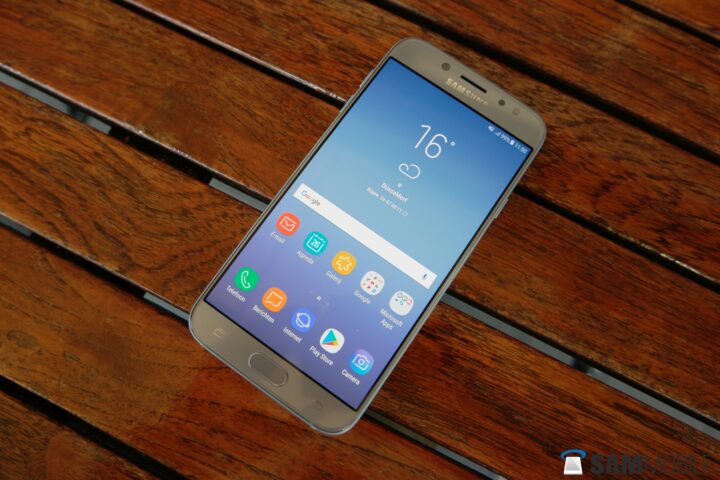
"Does it lag?" is a question that has come to be associated with Galaxy smartphones, and information technology's particularly dissentious in a country like India, where the much college smartphone buying population ways word of oral cavity doesn't take a long time to go effectually. Samsung's still belongings on to nearly 25 pct of the Indian market, and then peoplearebuying its phones, peculiarly those who intendance about brand value and support. But there are besides a large number of people – specially on tight budgets – who opt for a not-Milky way device because someone or the other tells them that low-stop and mid-range Galaxy handsets aren't dandy performers.
Of form, quite a few no dubiety experience it themselves and decide to switch to a different OEM, which is unremarkably one of the Chinese OEMs that sell smartphones in India. And once more, information technology'south non like only Samsung's budget and mid-range phones have performance problems. The Galaxy S8 has developed noticeable stutter, and nosotros come across merely the Note lineup of devices truly holding their ain even subsequently months of usage. Put the same software on low-cease phones with entry-level processors and mid-range devices without sufficient horsepower, and you lot tin can see why one would detect information technology hard to recommend the Korean behemothic's offerings. Samsung has even failed to sometimes optimize handsets powered by its Exynos chips as well those powered by Snapdragon fries.
Optimized software isn't just a necessity to improve sales; it's besides of import for the user feel, and Samsung is far from perfect in that regard. Its Android interface has come a long way, merely it'south unclear why Samsung has failed to truly bring information technology up to mod standards when it comes to performance. Perhaps it doesn't care, given it withal moves the highest number of smartphones globally from stores to customers, but if at that place always was a time to double down on software optimization, this is it.
Faster, more regular software updates
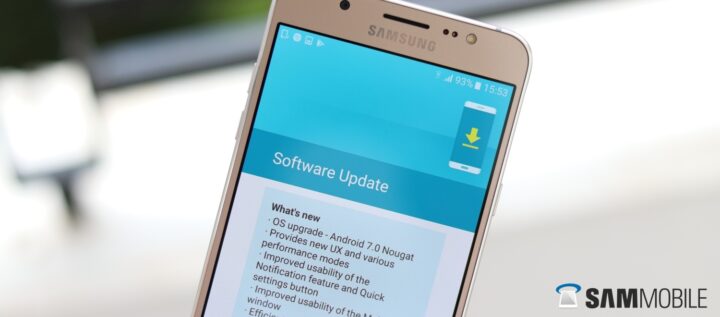
Xiaomi isn't known for quick software updates. Really, while it takes an obscene amount of time to bring newer versions of Android to its phones, it offers regular updates to MIUI, its custom Android skin. Samsung, with the resources at its disposal, tin get a caput commencement in this field to increase the value of its budget and mid-range devices. Bring out major software updates faster, and maybe offer more than just one major upgrade to budget phones. I accept a Galaxy J7 Pro that launched in India iv months agone, and I don't call back it has received a unmarried update in that time, with its security patch level sitting at June i hither in mid-November.
Once more, Xiaomi isn't great at bringing newer versions of Android to its devices quickly, instead focusing on regular updates that bring new features and functionality, sometimes on a weekly ground. Samsung has a chance to arrive on the action early here. It'due south certainly been increasing focus on mid-range phones on the update front, but perchance it should now starting time bringing major Android updates to these handsets in a considerably shorter span of fourth dimension.
The time for activeness is now
Like I said in the introduction, we're not experts, and nosotros're certain Samsung has actual ones butting heads to come up with ways to counter Xiaomi. Flooding the marketplace with phones isn't going to assistance, but a sub-brand, phones that perform well even if they don't have powerful internals, and quick software updates for all are something it should consider. Xiaomi will probably continue its ascension in the Indian market, and Samsung needs to scramble if it intends to take back the throne or fifty-fifty stay in the running in the years to come up. The fourth dimension for action is now, especially with the company'due south refreshed leadership, or it may merely be too late for whatever of this to matter.
What do you think? Is in that location something youthinkwould be a proficient solution for Samsung in the Indian smartphone market place?

Source: https://www.sammobile.com/2017/11/15/can-samsung-take-back-indian-smartphone-market-xiaomi/
Posted by: spurlocksathimpiou.blogspot.com
0 Response to "Can Samsung take back the Indian smartphone market from Xiaomi?"
Post a Comment